Montabi Builds & Team Archetypes
Movement lines, status stacks, and trainer comps that survive Montabi’s ruthless map.
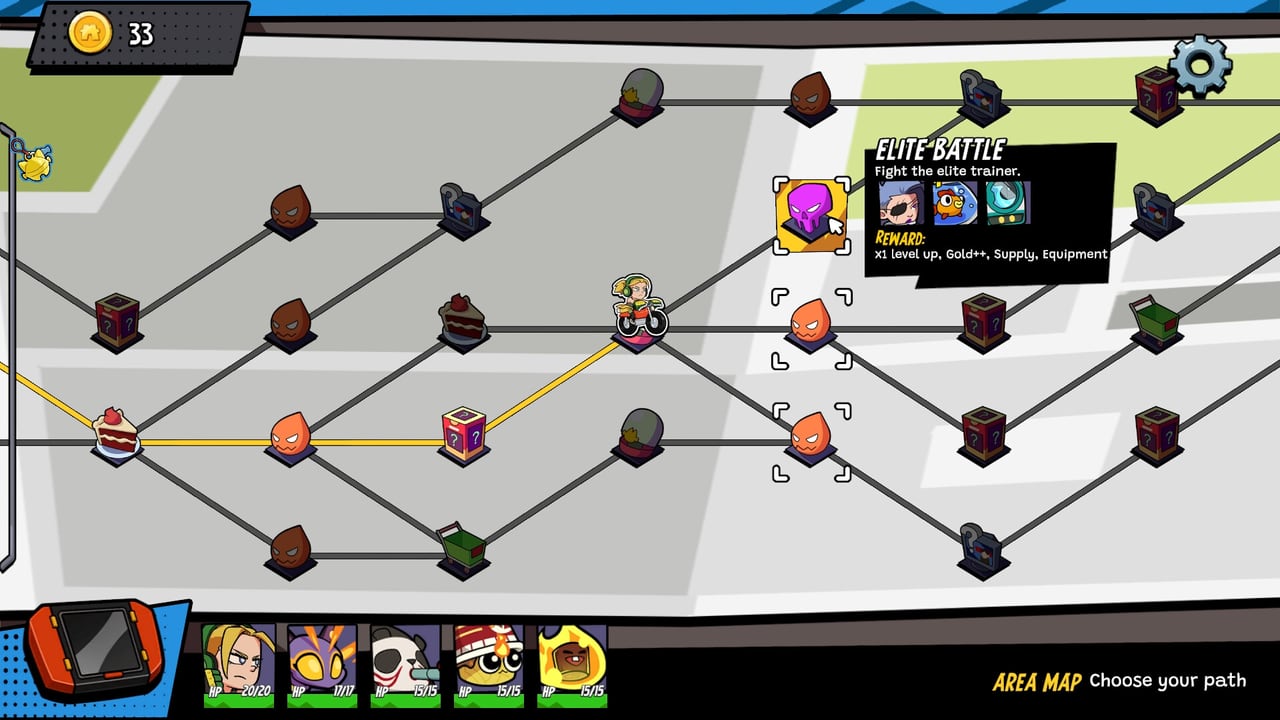
Montabi is a creature-collector roguelike deckbuilder where team identity comes from three overlapping layers: your Trainer passive and starting charm, the Montabi you tame and their evolving decks, and the items you buy—equipment, charms, supplies, and Stickards that rewrite key cards. Builds on this wiki name those layers so you can copy a route without guessing why a run felt smooth or collapsed on the third elite.
Use this hub when you want a compass, not a single answer. Montabi’s 3×3 grid rewards movement, range, and AP math; status effects like Bleed, Sour, and Spicy reward patience and sticker synergies; team archetypes glue Student draw engines, Fighter tempo, and Chef sustain into coherent shopping lists. Each linked guide goes deep enough to plan a full run.
Start here: pick your axis
Team archetypes —Who leads, who carries, and what you buy first. Read Best teams for Student, Fighter, and Chef routes, capture timing, and charm priorities before you chase novelty Mons.
Movement —Grid positioning, push-pull lines, and AP banking. Movement builds explain how to win fights without trading Trainer HP for bad tiles.
Status effects —DoT and debuff stacking with Stickard riders. Status builds cover Bleed, Sour, and Spicy payoffs plus supplies that control space while debuffs tick.
If you are on your first run, pair this hub with Getting Started and the Tier list so you invest stickers into keepers, not bench warmers.
How items feed builds
Builds are not abstract theory—they are shopping routes. Movement comps spend gold on Stickards that grant extra AP and charms that reward tile changes; status comps buy Sour stickers and supplies like mines that keep enemies in bad positions; Chef sustain comps stock food and energy drinks while charms stretch healing.
The Items Hub lists every shop—convenience store, Gotcharm, Vending Machine, Stickards, and Cafe—so you can align pathing with your build axis instead of buying random passives.
Trainer choice sets the default
Student trainers bias toward information, card flow, and Innate Stickard payoffs. Fighter trainers want melee tempo, equipment on front-line Montabi, and AP-positive stickers on finishers. Chef trainers reward long fights, supply pantries, and defensive Trainer positioning. Detailed matchups and sample trios live in Best teams; trainer passives are summarized on Trainers.
You can hybrid—status Fighter or movement Student—but know which axis is your win condition when gold gets tight late act.
Combat fundamentals every build shares
Each turn, active Montabi typically draw four cards and gain action points to spend; unused AP can bank forward, so builds that float one AP every turn explode in value over long bosses. Trainer defeat ends the run even if Montabi survive, so every archetype needs a plan for boss burst directed at the back row.
Capture with biscuits after fights expands options but rarely grows the field beyond Trainer plus two Montabi—build for efficient three-unit synergy, not six-unit fantasy drafts.
When to pivot mid-run
Pivot when sticker offers define a new win condition (Innate draw engine into status), when a captured Montabi from the tier list outclasses your starter, or when charms duplicate your Trainer starting bonus. Pivot away from movement when enemies become too fast to kite; pivot into supplies when healing charms never appeared.
Related wiki sections
- Best teams —featured comps and role splits
- Movement builds —grid control and AP routes
- Status builds —Bleed, Sour, Spicy
- Guides Hub —mechanics and walkthroughs
- Items Hub —gear, charms, supplies, Stickards
- Tier List —Montabi worth building around
Frequently Asked Questions
Quick answers to the most common Montabi questions.
What is the strongest Montabi build?
There is no single best build—power depends on Trainer choice, captured Montabi, and sticker offers. Start with Best teams, then specialize into movement or status routes that match your roster.
Do I need Stickards for a viable run?
You can win without many stickers, but Stickards define most high-ceiling runs by adding Innate, draw, Sour, or extra AP to keystone cards.
Which Trainer is best for beginners?
Chef offers forgiving sustain with food and supplies; Student teaches card flow; Fighter punishes mistakes but kills fast when you learn the grid.
How do builds interact with the 3×3 grid?
Movement builds exploit tile placement and range; status builds use mines and debuffs to keep enemies in bad spots; team comps choose Trainers whose passives match those tactics.