Starter Montabi Tier List
You only pick one of three each run—rank for flexibility, not fantasy full-roster meta.
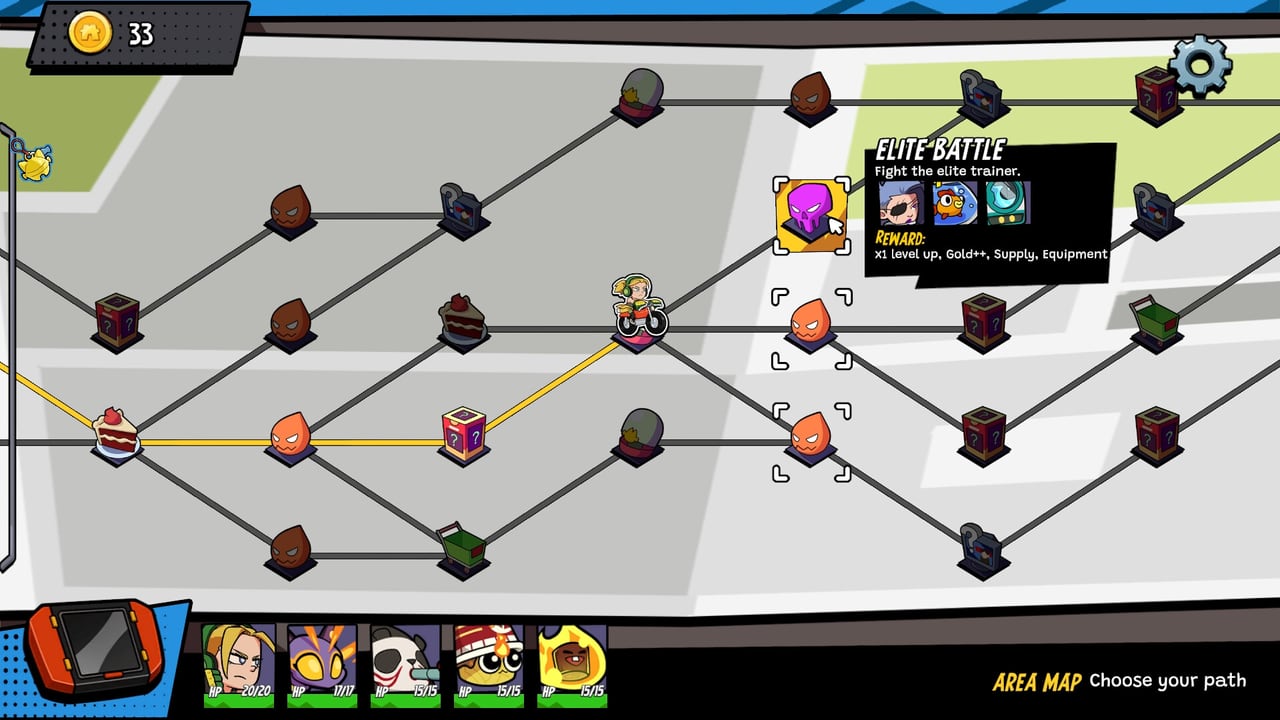
Montabi offers 22 starter evolution lines, each with its own deck, level 5 and level 10 evolutions, and distinct grid role. Every run presents three random starters from what you have unlocked, so this starter tier list ranks role value and early-account reliability—not a imaginary chart where you always field the same six Montabi. Pair it with synergy tiers and the Trainers Hub because Student, Fighter, and Chef multiply different lines.
Return to the Tier List Hub for ranking criteria and RNG disclaimers.
Tier bands (what the letters mean)
S —Flexible first picks: Lines that stabilize the 3×3 grid, protect the Trainer, or win elites without perfect shops. Take them whenever they appear in your triple draft unless the whole offer is S-tier already.
A —Strong with a plan: Excellent when evolution drafts cooperate or when your trainer kit matches their engine—movement with Student, burst with Fighter, setup with Chef.
B —Situational: Win more when map RNG gives cafes, biscuits, or tames that cover their weakness. Still viable for dailies once you know the line.
C —Niche or unlock-gated: Need specific Flavor buffs, frontline support, or late evolutions before they outgrow B-tier peers.
D —Challenge picks: Fun once mastered; avoid while learning Trainer death rules or when account unlocks are thin.
These bands will shift as the community maps every card. We prefer honest criteria over weekly letter churn.
S-tier role archetypes (not a single Montabi name)
At launch coverage, lines that combine frontline HP, simple AP curves, and evolution drafts that add block or heal behave like S-tier for most accounts. Named previews help illustrate without inventing stats:
- Tanky protectors that absorb row attacks while your Trainer stays off kill tiles.
- Movement payoffs such as Tonkey, who powers up when shifted—especially scary with Student reposition tools.
- Reliable DPS that does not require three setup turns—often praised in aggressive previews featuring Kyuchi-style melee lines.
If your S-tier offer lacks a frontline, downgrade the whole draft mentally to A-tier unless biscuits can tame one after the first elite.
A-tier: engines that spike mid-run
Bleed lines like Ruffin sit here for many players: devastating when enemies must move, weaker when bosses stand still or cleanse dots. They jump to S-tier when paired with displacement from Student or debuff Flavor from Chef—details on synergies.
Control-leaning lines like Vem (vending-machine themed soda punishment in previews) land A-tier because they solve specific X Gang fights but can slow map tempo if you skip cafes.
Meal-flavored scalers like Karabi often land A-tier on Chef unlocks and B-tier elsewhere until Flavor buffs appear often enough.
B-tier: winnable with RNG cooperation
Glass cannons, slow ramp decks, and lines that need a second tame to function fairly sit here. They are not trash—Montabi is single-player roguelike content—but they punish mistakes while you learn AP carryover and evolution timing.
If a B-tier line is one of three starters, ask: Does it cover a hole my account already has? Sometimes taking the B-tier tank beats taking a duplicate DPS when Fighter is your leader.
C-tier and D-tier: account and trainer dependent
Lines that need level 10 payoffs before doing anything, or that require Fighter Resonance to stay safe on the front row, stay C-tier until your skill and unlocks catch up. D-tier is for self-imposed challenges—speed rules, no cafes, or theme runs—not for first clears.
Trainer modifiers (quick reference)
| Trainer | Starters that rise | Starters that fall |
|---|---|---|
| Student | Movement (Tonkey), bleed (Ruffin) | Slow setup without reposition helpers |
| Fighter | Melee burst (Kyuchi), frontline hybrids | Lines that need long prep while Trainer is exposed |
| Chef | Scalers (Karabi), debuff-friendly control (Vem) | Glass teams without buff windows |
Unlock progression notes
Your available starter pool grows as you rank up and discover lines—not every account sees every name in week one. Tier list placement assumes you are chasing general strength per slot, not completionist pokedex order. When a line is locked, ignore its tier until unlock; focus on flexible offers among the three you actually see.
Biscuits and mid-run tames
Starters are not your only team members. A mid-run tame can elevate a B-tier draft to A-tier if it adds control or frontline. Tier rankings describe starter slot value; biscuit targets are synergy content.
How to use this list in a run
- Evaluate the whole triple, not the highest letter alone.
- Match your pick to Trainer kit and map healing.
- Plan level 5 evolution as if level 10 might whiff—pick survival if unsure.
- Re-read Fighter or Chef pages when you change leaders.
Related links
Tier List Hub, Synergies, Trainers Hub, individual Student / Fighter / Chef guides.
Frequently Asked Questions
Quick answers to the most common Montabi questions.
Why is my favorite starter ranked lower?
Bands measure average draft value across RNG and trainers, not personal skill. A B-tier line in expert hands can clear runs; tiers guide account progression, not pride.
Do all 22 starters have unique tiers here?
We group by role archetype at launch because unlock pace differs per player. Named examples illustrate roles; add line-specific notes as the wiki grows.
Should I always pick the highest tier starter offered?
Usually pick the best role coverage for your Trainer—two DPS with no frontline is a common loss even if both are A-tier damage.
How do evolutions affect starter tiers?
Level 5 and 10 drafts can move a line up a band mid-run. Starters tiered B can become S during a run if evolution RNG is generous.