Montabi Status Effect Builds
Bleed, Sour, and Spicy—stack debuffs, control the grid, and let passives finish the fight.
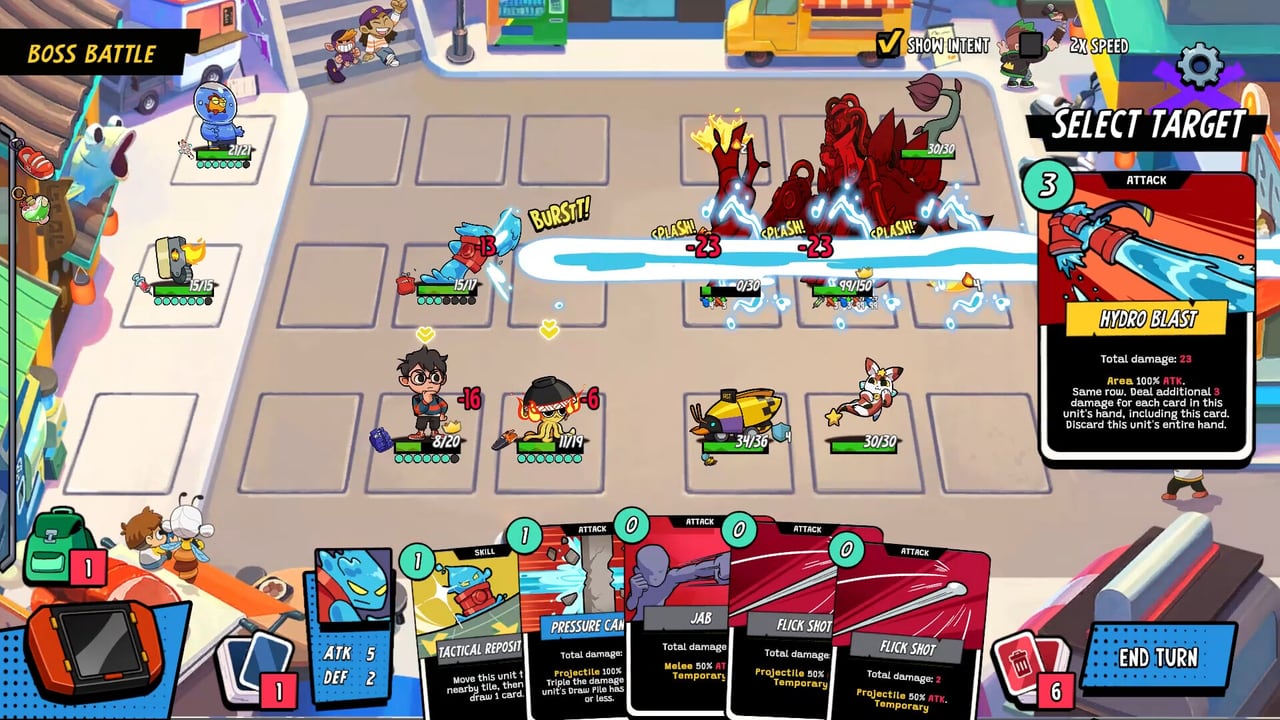
While burst comps delete elites in one AP dump, status builds win by making the enemy’s turn expensive. Montabi ships a debuff vocabulary—commonly discussed effects include Bleed for damage-over-time pressure, Sour for punishing debuffed targets, and Spicy for alternate debuff routes that reward specific cards and charms. Status routes shine when paired with movement to keep distance while ticks accumulate, and when Stickards add riders like Sour-on-hit to otherwise modest attacks.
This guide explains how each status axis functions in team fights, which items accelerate stacking, and how Student, Fighter, and Chef teams adopt status without sacrificing their Trainer identity.
Why status fits Montabi’s loop
Roguelike runs demand scaling without infinite raw stats. Status effects convert time into damage: you apply debuffs early, control tiles mid-fight, and let passives, charms, or supply follow-ups close. Because you only field a Trainer plus two Montabi, status stacks must come from tight decks—thin weak cards at the Cafe, sticker keystone applicators, and charms that amplify debuffed enemies rather than generic attack power.
Bosses with large HP pools punish pure burst unless you invested tier-list carries. Status builds smooth those fights if you prevent the Trainer from eating unblockable burst while debuffs ramp.
Bleed: damage over time and attrition
Bleed builds prioritize applying stacks or sustained bleed ticks, then preventing enemies from clearing them. Bleed loves long fights—natural partners include Chef sustain with food supplies and charms that reward multi-turn combat. Equipment on a bleed applicator Montabi should increase proc chance or damage against bleeding targets if those passives exist in your run pool.
Turn pattern: apply bleed with cheap skills, reposition with movement tools, use supplies when hands lack applicators, and avoid overkill attacks that waste AP while bleed still ticks.
Capture targets: biscuit species whose kits mention bleed or multi-hit skills; verify against the Tier list before replacing your starter.
Sour: debuff riders and Stickard synergy
Sour appears frequently in preview coverage because Stickards can attach Sour effects to attacks that lacked them. Sour builds often explode when charms also reward hitting sour targets or when team passives spread debuffs. Fighter tempo comps apply Sour then melee finish; Student comps draw into multiple applicators in one turn.
Shopping: prioritize Stickards shop visits when Sour stickers appear for your carry’s most-played attack. Convenience store charms that amplify debuff damage beat random vending equipment.
Pair with mines and push effects from movement builds so enemies cannot simply walk off bad tiles while Sour debuffs expire.
Spicy: alternate debuff payoffs
Spicy functions as a sibling debuff axis—exact card text varies by Montabi, but build thinking matches Bleed and Sour: apply, protect the Trainer, extend duration with supplies or charms, and finisher when passives spike. Spicy routes sometimes appear on fire-themed species or attack lines; treat patch notes on Updates as truth when names change.
Hybrid Spicy plus Bleed can work on captures that dual-debuff, but avoid buying three charm types that each only boost one status unless Gotcharm luck forces it.
Items that define status runs
Stickards —Sour riders, Innate on applicators, draw on play for Student chains, extra AP for Fighter multi-apply turns.
Charms —team-wide debuff amplification, extra tick damage, or healing while you kite—see Charms.
Supplies —mines and zone control while debuffs work; food and revives for long bleed wars; baseballs to finish ranged targets without breaking stacks.
Equipment —on the Montabi that applies status most often, not on bench flex picks.
Full economy rules sit on the Items Hub.
Trainer-specific status routes
Student status —draw into two applicators plus a finisher in one turn; requires Innate or thin decks.
Fighter status —apply on adjacency, then melee combo while enemies stay sour or bleeding on front tiles.
Chef status —slow bleed wars with food; energy drinks for revive turns when bosses cleanse debuffs and spike damage.
Detailed role splits live in Best teams; Trainers passives decide which route needs least gold to function.
Grid and cleanse awareness
Some enemies remove debuffs or jump tiles. Status builds must read telegraphs—when cleanse is coming, bank AP to reapply same turn instead of spreading damage thin. Movement skills keep distance from melee cleansers; supplies punish enemies that must walk toward you.
Anti-status enemy prep
When map icons hint armor or cleanse, pivot purchases: more supplies, fewer redundant charms, capture a Montabi with native strip or shield break from the tier list. Status is not auto-win into every node.
Sample shopping timeline
Act one: Cafe thin, one applicator sticker if offered, food bundle for Chef or Student safety. Act two: charm amplifying debuffs, mine supplies for control. Act three: second sticker on finisher or AP engine, aggressive biscuit capture that completes tri-debuff plan.
Mistakes
Stickering damage before applicators. Buying bleed charms while running Sour stickers without overlap text. Standing still while debuffs expire because movement cards were thinned. Capturing status Mons without deck slots to support them.
Next reads
- Builds Hub —comp overview
- Movement builds —kiting while debuffs tick
- Supplies & Stickards —Sour stickers and mines
- Guides Hub —combat fundamentals
- Equipment —gear for applicator carries
Frequently Asked Questions
Quick answers to the most common Montabi questions.
What is the difference between Bleed and Sour in Montabi?
Bleed typically emphasizes damage-over-time attrition, while Sour often debuffs enemies so other cards or Stickards deal bonus punish damage. Exact numbers depend on card and patch text.
How do Stickards help status builds?
Stickards can add Sour or other riders to attacks, grant Innate to applicators, or provide draw and AP so you reapply debuffs after enemy cleanses.
Which Trainer is best for status comps?
Student handles multi-applicator turns; Fighter applies status then bursts in melee; Chef sustains long bleed wars. Pick based on your captures and shop offers.
Do status builds need movement cards?
Often yes—kiting keeps the Trainer safe while debuffs tick and gives time to reapply after cleanses.